





Strength in Motion, Confidence in Treatment

Order Hotline
021- 0

Strength in Motion, Confidence in Treatment

Order Hotline
021- 0

Strength in Motion, Confidence in Treatment

Order Hotline
021- 0
Knee Orthoses for
Stabilization & Controlled Joint Support

Knee orthoses are orthopedic devices designed to stabilize the knee joint, limit excessive motion, and reduce mechanical stress on ligaments, menisci, and surrounding soft tissues. By controlling flexion, extension, and lateral movement, they promote structured support while preserving functional mobility during recovery. These devices are commonly used for ligament injuries, meniscal conditions, post-traumatic care, post-operative rehabilitation, and degenerative joint disorders, with models ranging from elastic compression supports to hinged or rigid braces depending on the required level of stabilization.

REF-TK01

Range of Motion control knee Brace

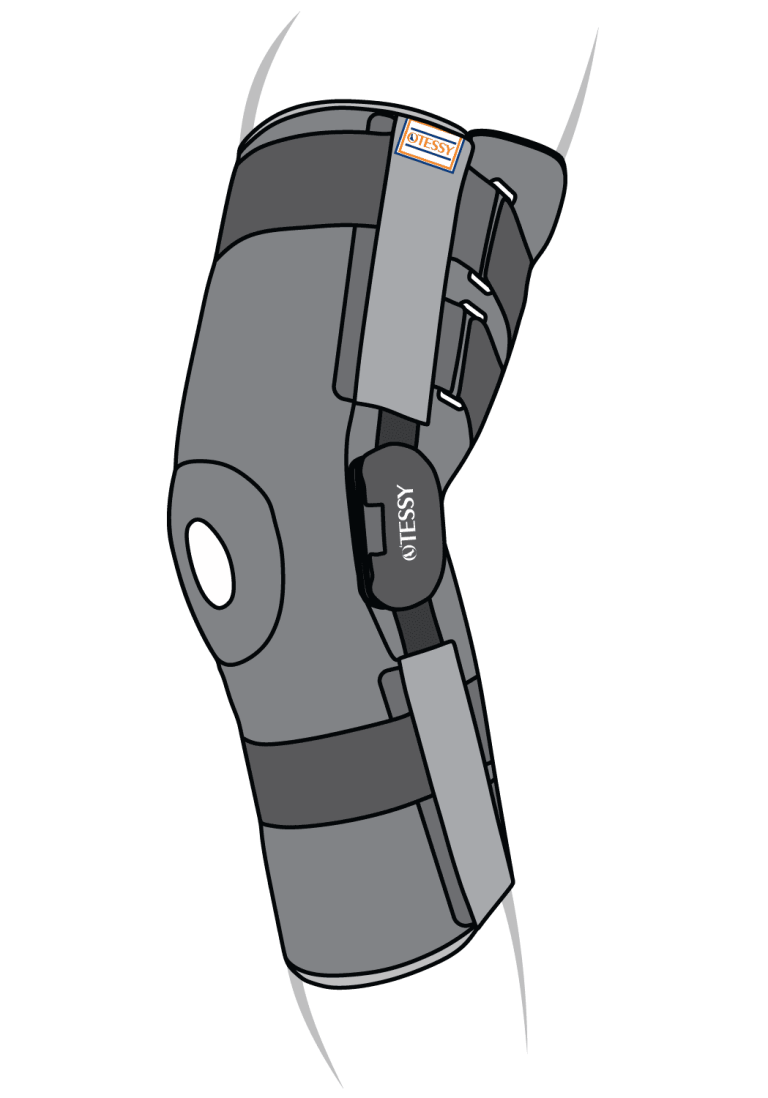
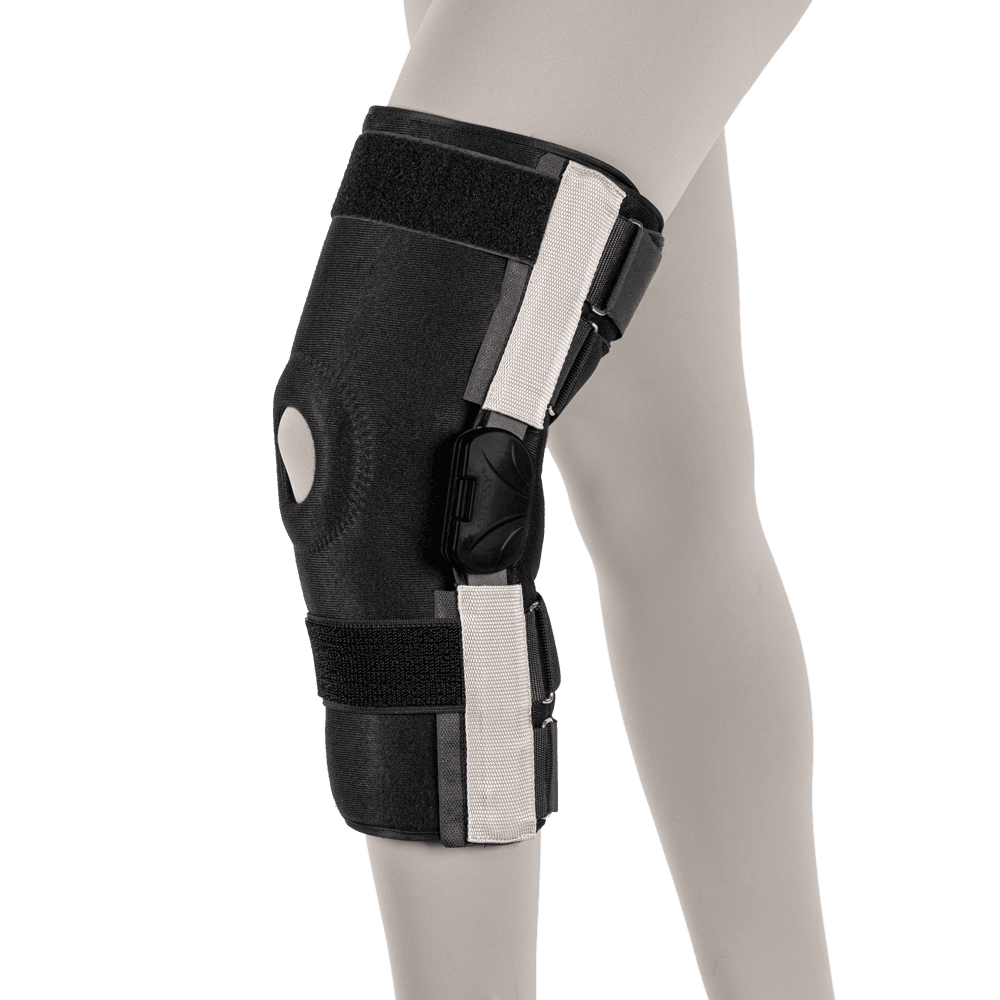
This adjustable hinged knee brace features dual aluminum splints and calibrated joints to control flexion and extension. Designed for ligament injuries and post-surgical stabilization, it restores knee stability while reducing excessive joint stress.

REF-TK01

Range of Motion control knee Brace

This adjustable hinged knee brace features dual aluminum splints and calibrated joints to control flexion and extension. Designed for ligament injuries and post-surgical stabilization, it restores knee stability while reducing excessive joint stress.

Range of Motion control knee Brace

Adjustable Hinged Knee Brace with Graduated Joints

The knee is a complex weight-bearing joint composed of tibiofemoral, patellofemoral, and tibiofibular articulations stabilized by cruciate and collateral ligaments, menisci, and surrounding tendons. Injuries to these structures—such as ACL, PCL, collateral ligament tears, meniscal damage, osteoarthritis, or patellar instability—can compromise joint stability and functional performance.
The TK01 Adjustable Hinged Knee Brace is engineered with dual aluminum splints and calibrated bilateral hinge joints positioned along the sagittal plane. These articulated hinges allow controlled limitation of flexion from 0° to 135° and extension from 0° to 105°, adjustable in 15° increments for precise therapeutic range control. By restricting excessive motion while maintaining guided mobility, the brace enhances ligament protection and post-operative stabilization. The integrated silicone patellar pad surrounds the patella, providing uniform compression and improved tracking stability. This structured design helps redistribute load away from injured tissues and supports progressive rehabilitation under professional supervision.

Find Your Perfect Fit
Accurate Sizing For Optimal Support & Performance

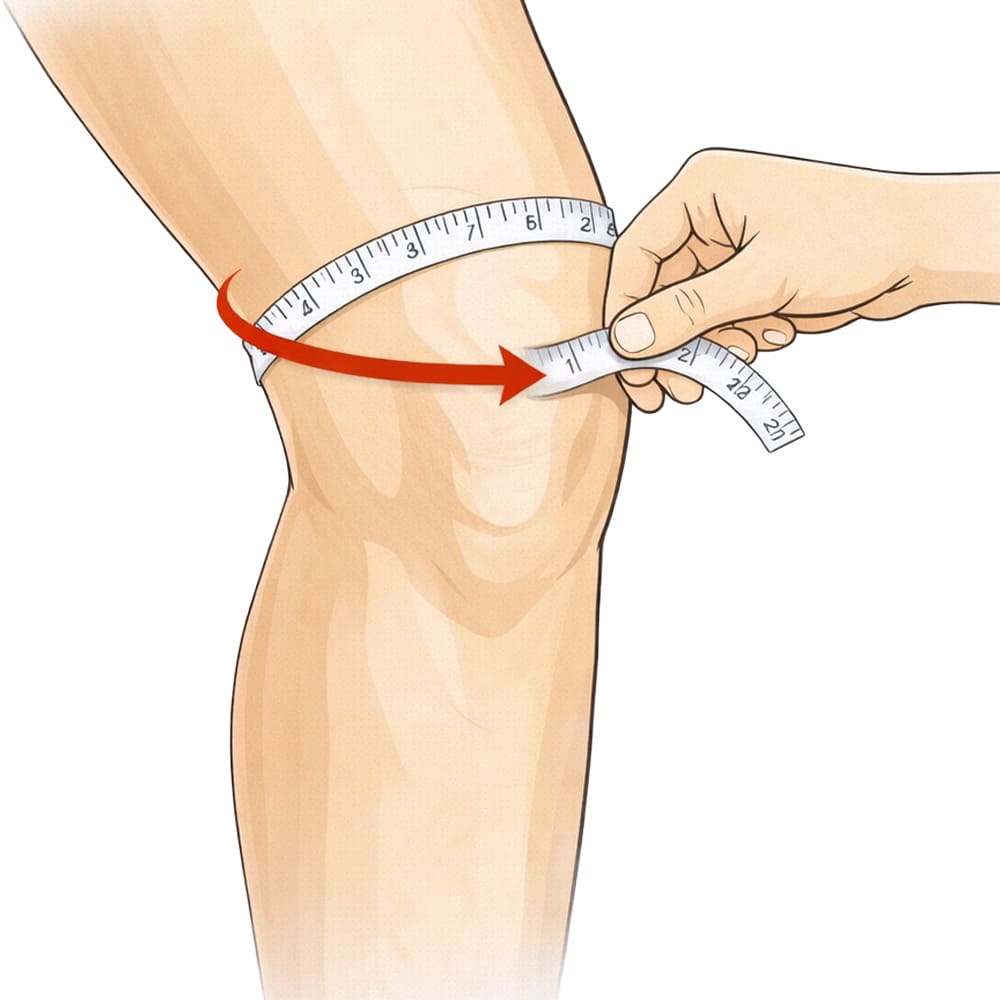
Selecting the correct size is essential to ensure proper compression, anatomical alignment, and therapeutic effectiveness. Use the sizing options below to match your measurements with the appropriate support level. For products with adjustable or universal configurations, refer to individual product specifications for detailed fitting instructions. Choosing the right size enhances comfort, stability, and long-term performance.

Loading table...

Available Sizes: Uni

Key Functional Benefits

• Dual aluminum splints with graduated hinge joints
• Adjustable flexion control from 0° to 135° in 15° increments
• Adjustable extension control from 0° to 105° in 15° increments
• Silicone patellar pad for uniform stabilization
• Provides controlled range-of-motion limitation
• Enhances knee stability in multiple planes
• Delivers mild compression for joint support

Material Composition

Graduated hinged aluminum splints, double-layer terry textile fabric, and silicone patellar pad.

Care Instructions

Hand wash with mild soap at 30°C (lukewarm water).
Remove splints before washing.
Air dry at room temperature away from direct heat and sunlight.
Do not wring or iron.

Silicone Patella Ring Design

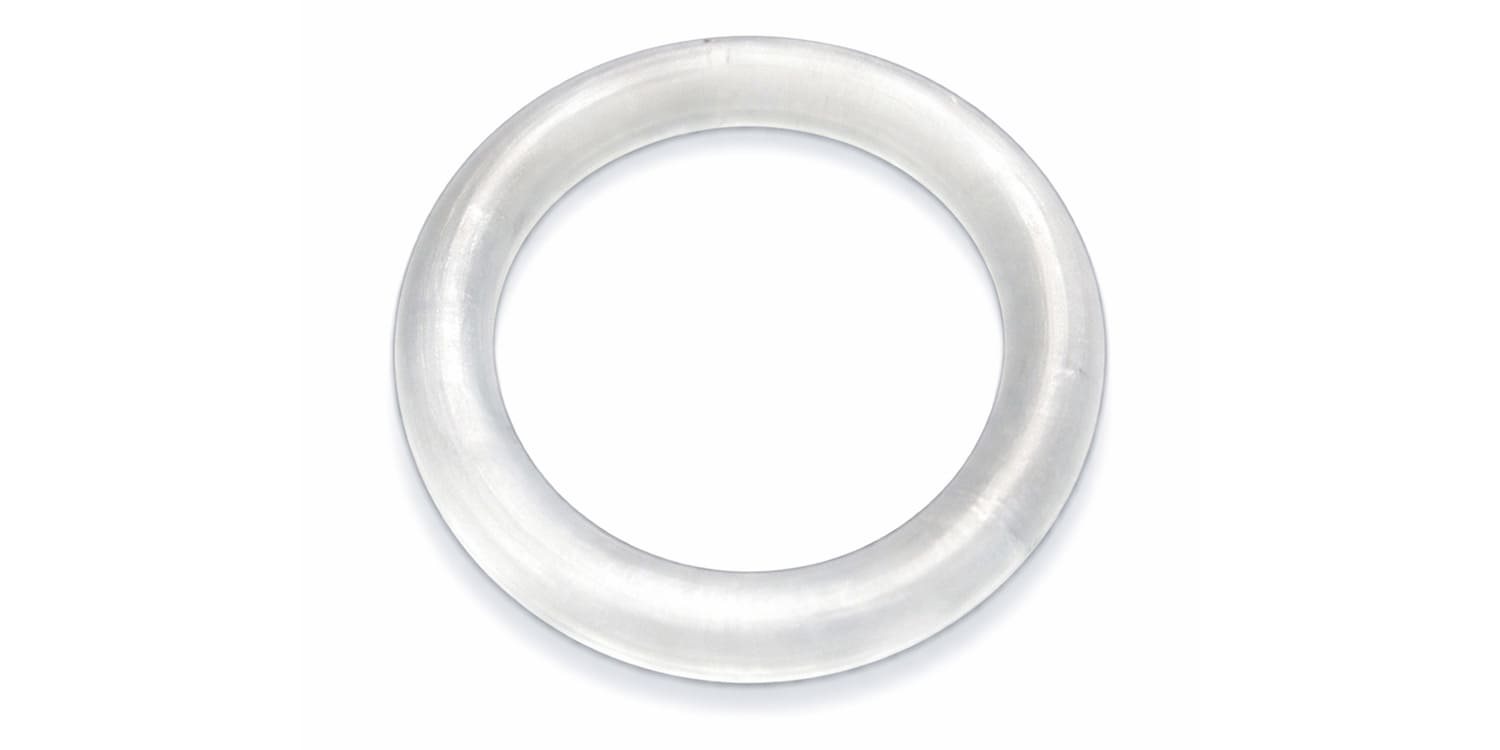
In these knee braces, the patellar region is designed with an open construction incorporating a circumferential support ring around the kneecap. This configuration enhances user comfort while ensuring improved anatomical fit and positioning.While conventional designs typically utilize soft filler materials within the ring to provide cushioning, such fillers often demonstrate limited durability and tend to lose their structural properties over time. In contrast, Otessy products integrate high-quality silicone rings that offer superior resilience, extended durability, and enhanced performance.These silicone rings not only maintain consistent elasticity and structural integrity, but also provide improved patellar stabilization, contributing to better joint support and long-term functional reliability.

How to Wear

Step-by-Step Application Guide
Proper Fitting for Maximum Support & Safety

Watch the instructional video below to learn the correct method for wearing and adjusting your orthopedic support. Proper positioning and secure fastening are essential to achieve effective compression, anatomical alignment, and long-term comfort. Following these steps ensures the product performs as intended during daily use or therapeutic support, while helping maintain stability, reduce strain, and enhance overall effectiveness.

Who To Use

Warnings

Hand wash with mild soap at 30°C (lukewarm water).
Remove splints before washing.
Air dry at room temperature away from direct heat and sunlight.
Do not wring or iron.

Silicone Patella Ring Design

In these knee braces, the patellar region is designed with an open construction incorporating a circumferential support ring around the kneecap. This configuration enhances user comfort while ensuring improved anatomical fit and positioning.While conventional designs typically utilize soft filler materials within the ring to provide cushioning, such fillers often demonstrate limited durability and tend to lose their structural properties over time. In contrast, Otessy products integrate high-quality silicone rings that offer superior resilience, extended durability, and enhanced performance.These silicone rings not only maintain consistent elasticity and structural integrity, but also provide improved patellar stabilization, contributing to better joint support and long-term functional reliability.